MAHATI

High Pressure Die Casting for High- Volume Precision Parts

When you need thousands of identical parts with thin walls and tight tolerances, pressure die casting is the fastest and most cost-effective way to get there. At Mahati Mecatronics, we produce high-precision components at high volumes, with complex geometries that come out of the die needing very little extra work.

What Is High Pressure Die Casting?

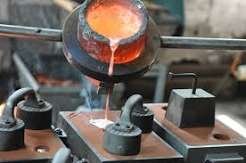
It is a process where molten metal is injected, under high pressure, not just poured, into a steel die. Because the metal fills the cavity fast and under pressure, this process can produce very thin walls and intricate shapes that would be difficult or impossible with sand or gravity casting.
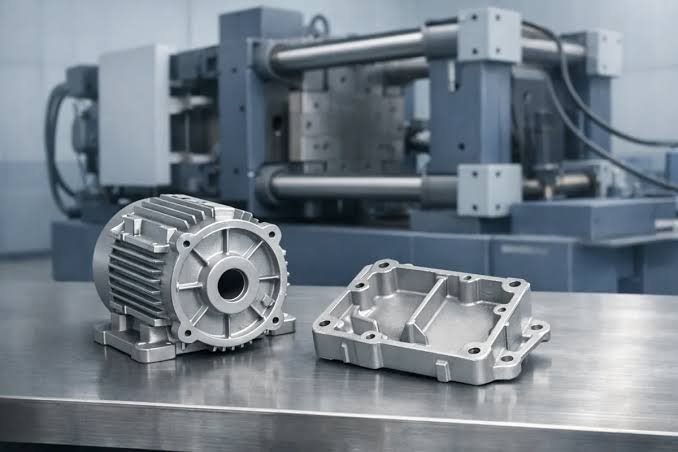
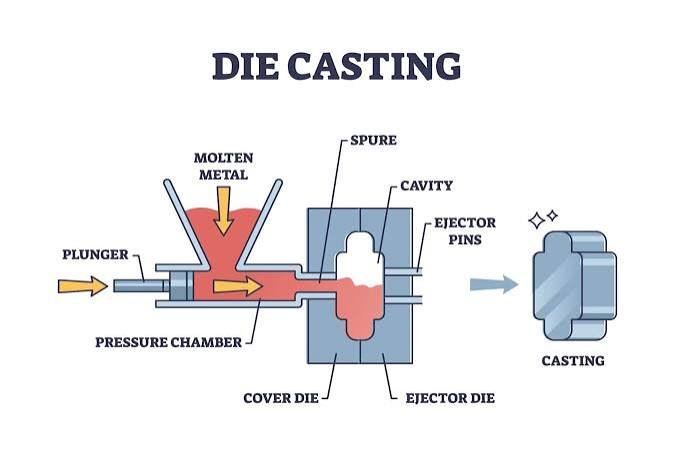
High pressure die casting

Pressure Die Casting?

Die casting

Gravity Die Casting

Materials We Die Cast

We work primarily in aluminium and zinc alloys, chosen based on your part's strength, weight and finish requirements.
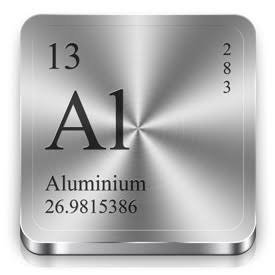
Aluminium Alloys

Lightweight, corrosion resistant, high strength to weight ratio.
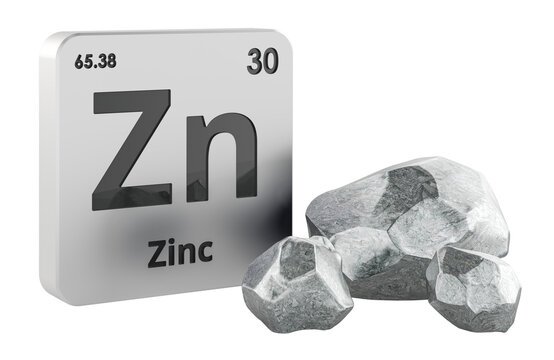
Zinc Alloys

Lightweight, corrosion, Excellent dimensional stablity, good strength, great surface finish.
Why Pressure Die Casting Works for Volume Production

Here’s what you actually gain when your parts come from a steel die instead of a sand mould.

Benefit What It Means for You Why It Matters
Tight tolerances Parts come out close to final size Less rework and fewer rejections
Thin, complex walls Ribs, pockets and fine details in one shot Lighter parts with fewer assembly steps
Smooth surface finish Clean surface straight from the die Little or no extra finishing before painting or coating
Fast cycle times Thousands of parts in a short run Deliveries stay on schedule, even at high volume
Batch-to-batch consistency The 10,000th part matches the first Easy fitment on your assembly line
Lower cost per part Tooling cost spreads over large quantities Better value as your volumes grow
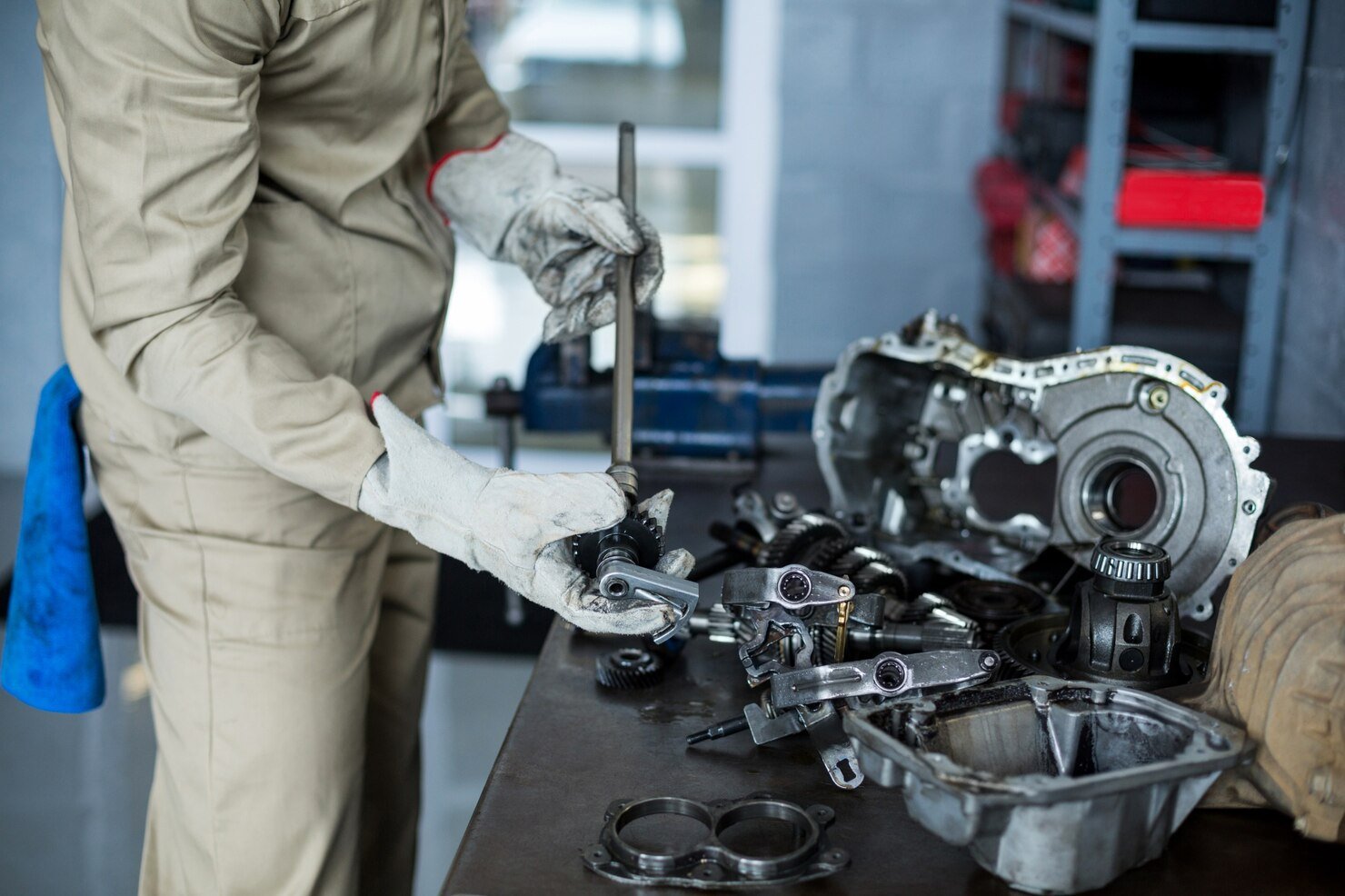
Reduced machining Near-net-shape parts Saves time, material and money

Our Process

1

Die Design & Cavity Layout

Planned around your exact part geometry and expected production volume.

2

Trial Shots & Inspection

Sample parts are checked for dimensional accuracy before full production begins.

3

Production Runs

Consistent, repeatable output delivered at your agreed volumes.

4

Trimming & Finishing

Kept to a minimum by design, not added on as an afterthought.

5

Quality Inspection

Every batch is inspected for dimensions and defects.

6

Dispatch

Approved parts are packed securely and shipped on time.

Quality You Can Measure, Not Just Take Our Word For

Every batch that leaves our foundry has been checked, recorded and signed off. Nothing ships on assumption.

20+ Years

Industry Experience

5000+ Tons

Annual Production Capacity

CNC Machining

Advanced Facilities

ISO 9001:2015

Quality Certified

Global & Pan-India

Supply

Why Choose Us

img

ISO

Certified

Parts That End Up in Machines Across Many Industries

From pumps to aircraft, our die-cast components go where precision matters.
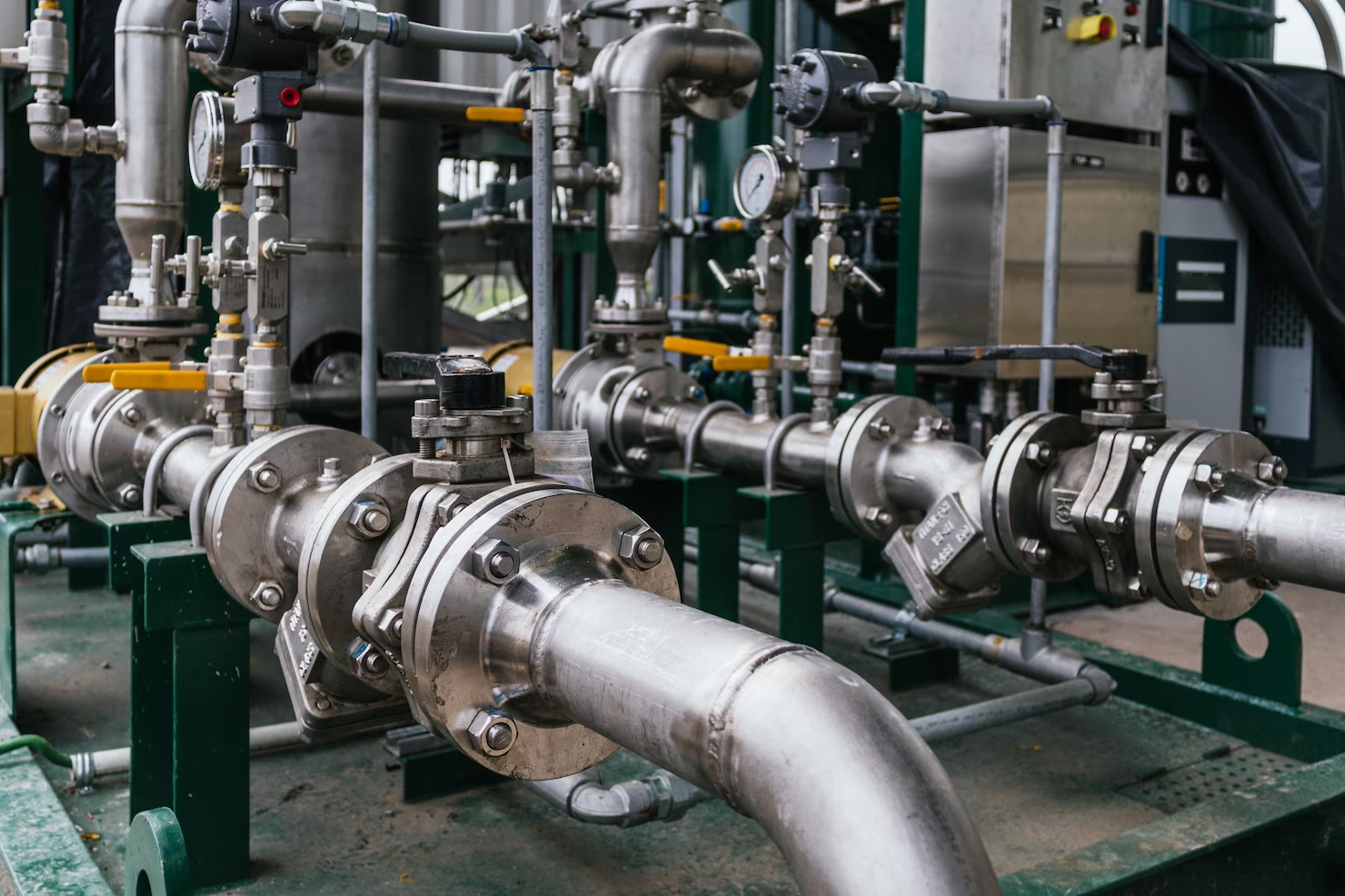
Pumps & Valves
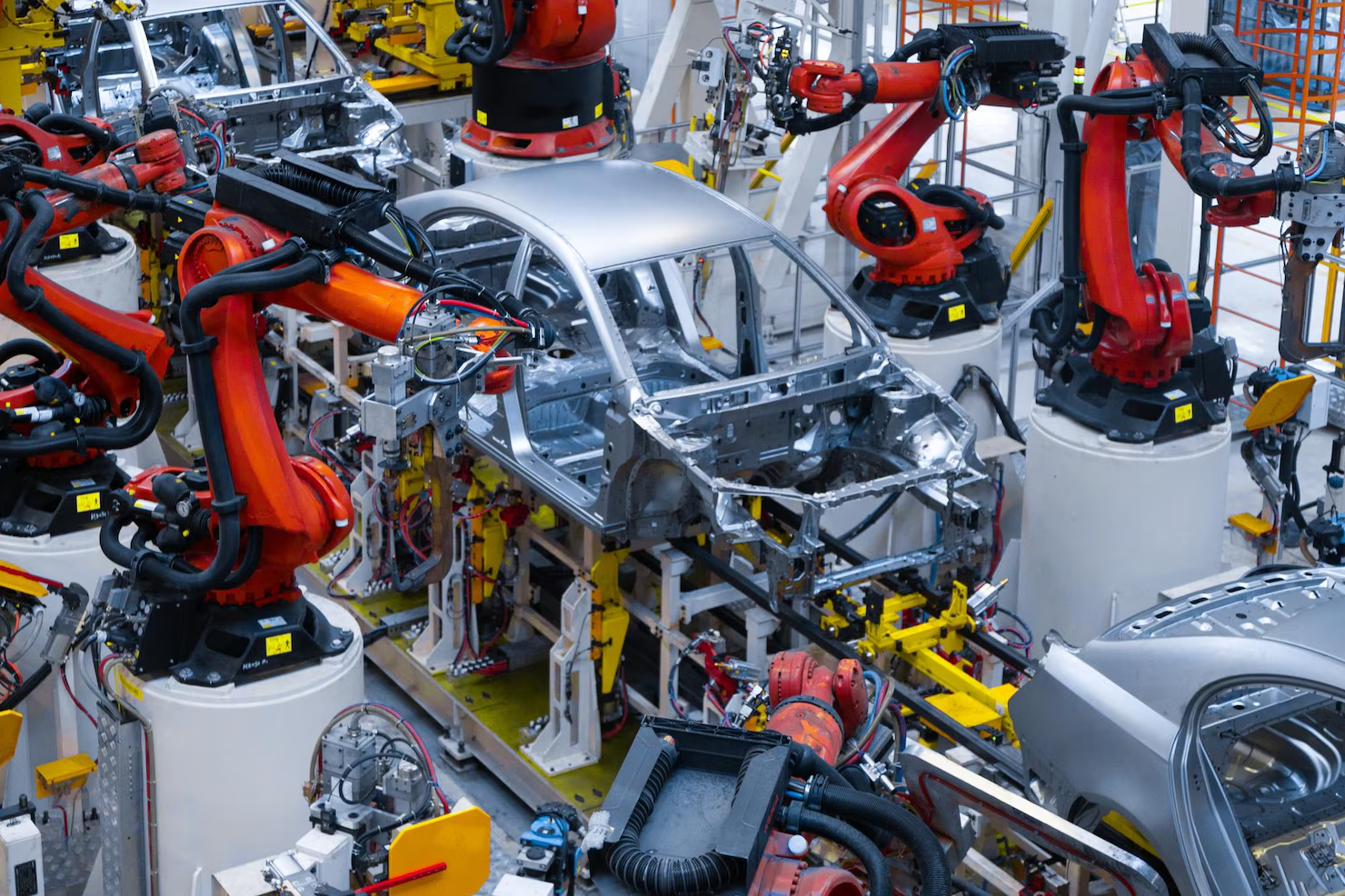
Automotive
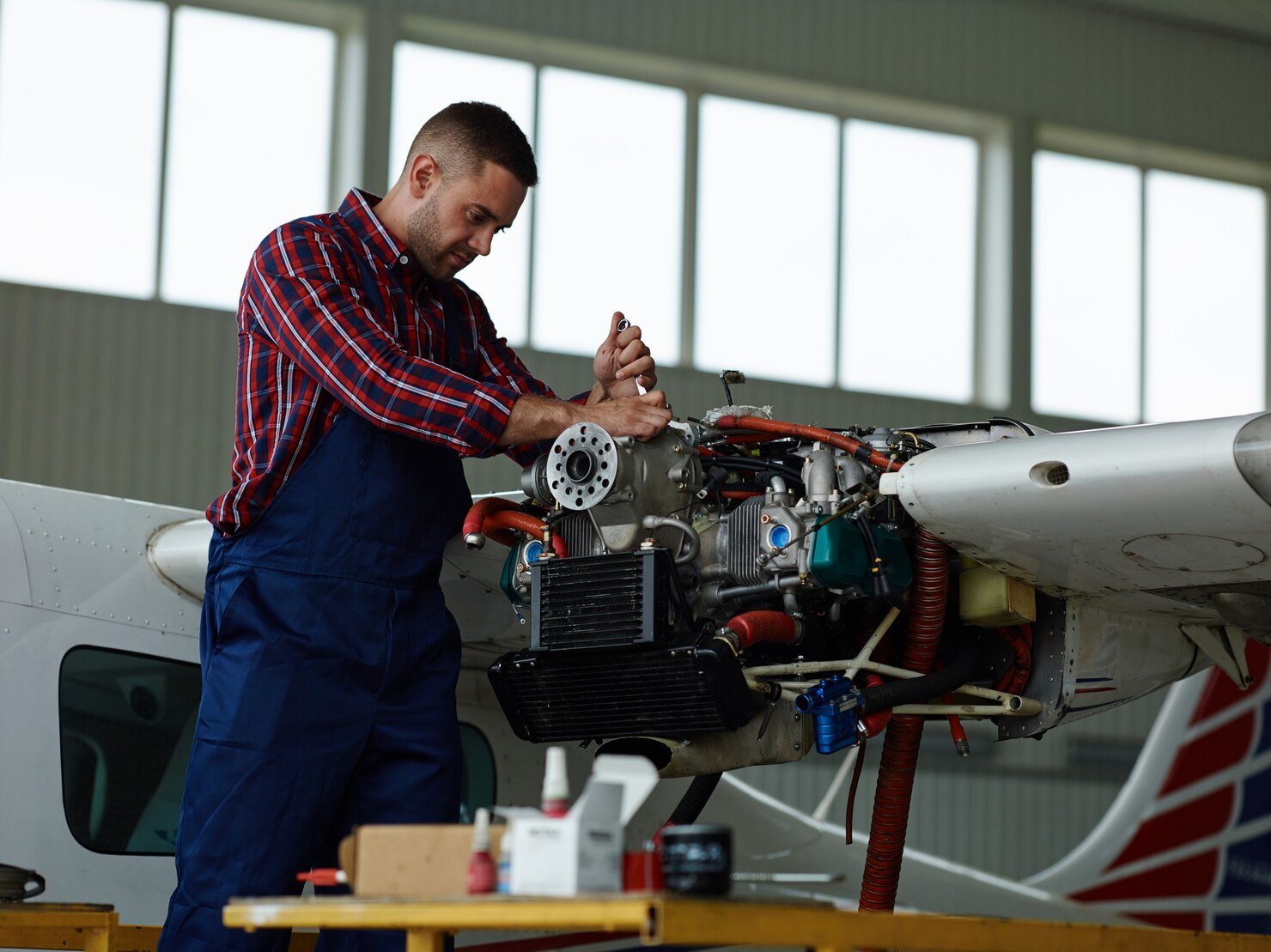
Aerospace
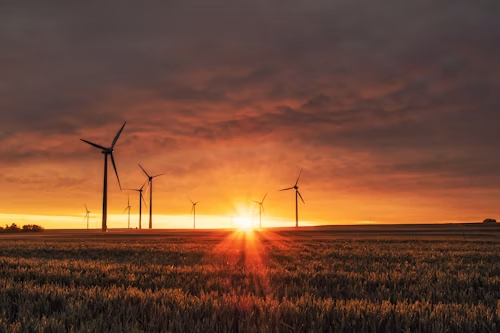
power and energy

Power & Energy

Heavy Engineering

Our Clients

CLIENT TESTIMONIALS

What Our Clients Are Saying

“
★★★★★

Beautiful plant, clean vision of the future. Looking forward to continuing our business and success together.

B
Bewove
Husco
“
★★★★★

Excellent facility, very good infrastructure, farsighted planning, and a people-focused organisation. Wishing Mahati all the best.

V
V. Ganeshan
Caterpillar
“
★★★★★

Reliable on-time delivery and consistent quality on every batch. Their pattern-making precision has made our foundry process far smoother.

R
Ravi Kumar
HAL Limited

Frequently Asked Questions

What is high pressure die casting?

A process where molten metal is injected under high pressure into a steel die, ideal for producing large volumes of precise, thin-walled parts quickly.

HPDC injects metal at high pressure for thin walls and high volumes; gravity die casting pours metal for thicker sections and medium volumes.

Aluminium and zinc alloys are the most commonly used metals.

It can achieve much thinner walls than sand or gravity casting, though the exact figure depends on part design and material.

Because tooling investment is higher, MOQs here are generally higher than for gravity or sand casting.

Because tooling investment is higher, MOQs here are generally higher than for gravity or sand casting.

Often very little, usually just light trimming, with machining reserved for a few critical features, which keeps overall cost down.

Automotive, two-wheeler, and electrical or electronics enclosure manufacturers are the heaviest users.

Have a Drawing? Let's Talk Numbers.

Share your part details and our team will come back with a clear, no-nonsense quote.

Prefer to talk? Call us at 7411677787

Your drawings stay confidential. We'll respond within [1 working day – edit as per your real timing].