MAHATI

Gravity Die Casting Manufacturer for Automotive & Hydraulic Parts

When your parts need better dimensional accuracy and stronger mechanical properties than sand casting can offer, gravity die casting is usually the right answer. At Mahati Mecatronics, we produce medium to high-volume components for automotive and hydraulic applications, using reusable metal moulds instead of sand.The result is a casting that is more consistent from part to part, with a cleaner surface finish and fewer surprises once it reaches your machining line.

What Is Gravity Die Casting?

It is a process where molten metal is poured, under gravity, not pressure, into a reusable metal mould known as a die. Because the die is reused again and again, parts come out far more consistent than they would from a one-time sand mould, which is exactly why this process is preferred for medium to high-volume runs.
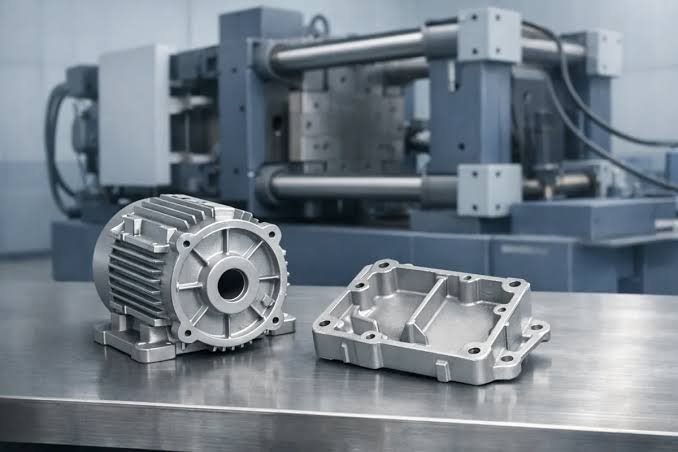
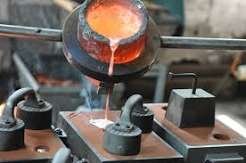
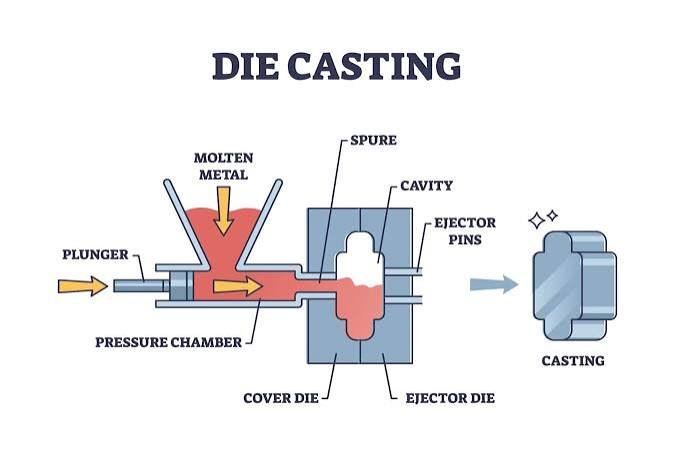
High pressure die casting

Gravity Die Casting

Pressure Die Casting?

Die casting

Where This Process Fits Best

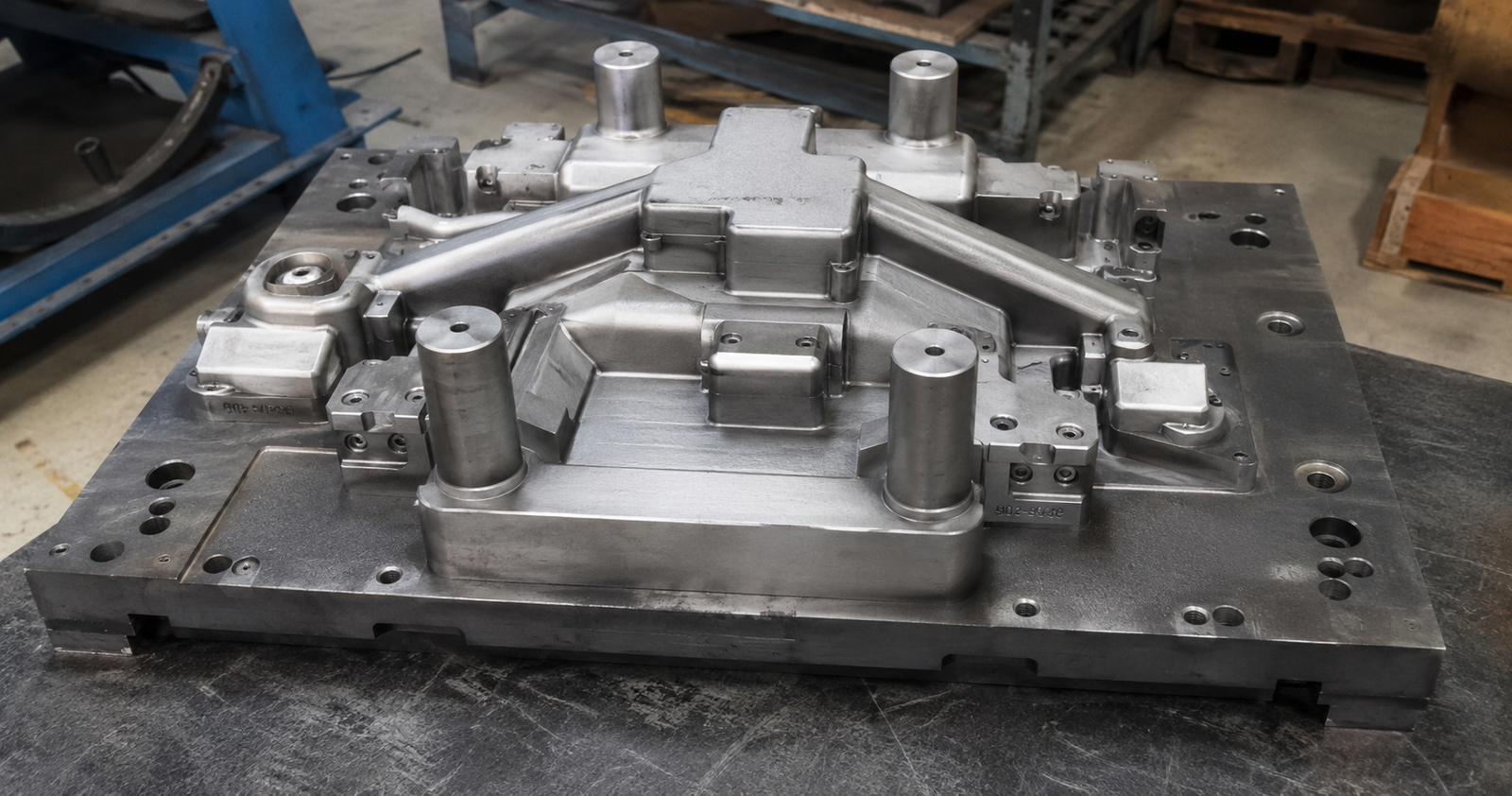
Core box for a core shooter machine being inspected before dispatch at a Bangalore pattern making facility

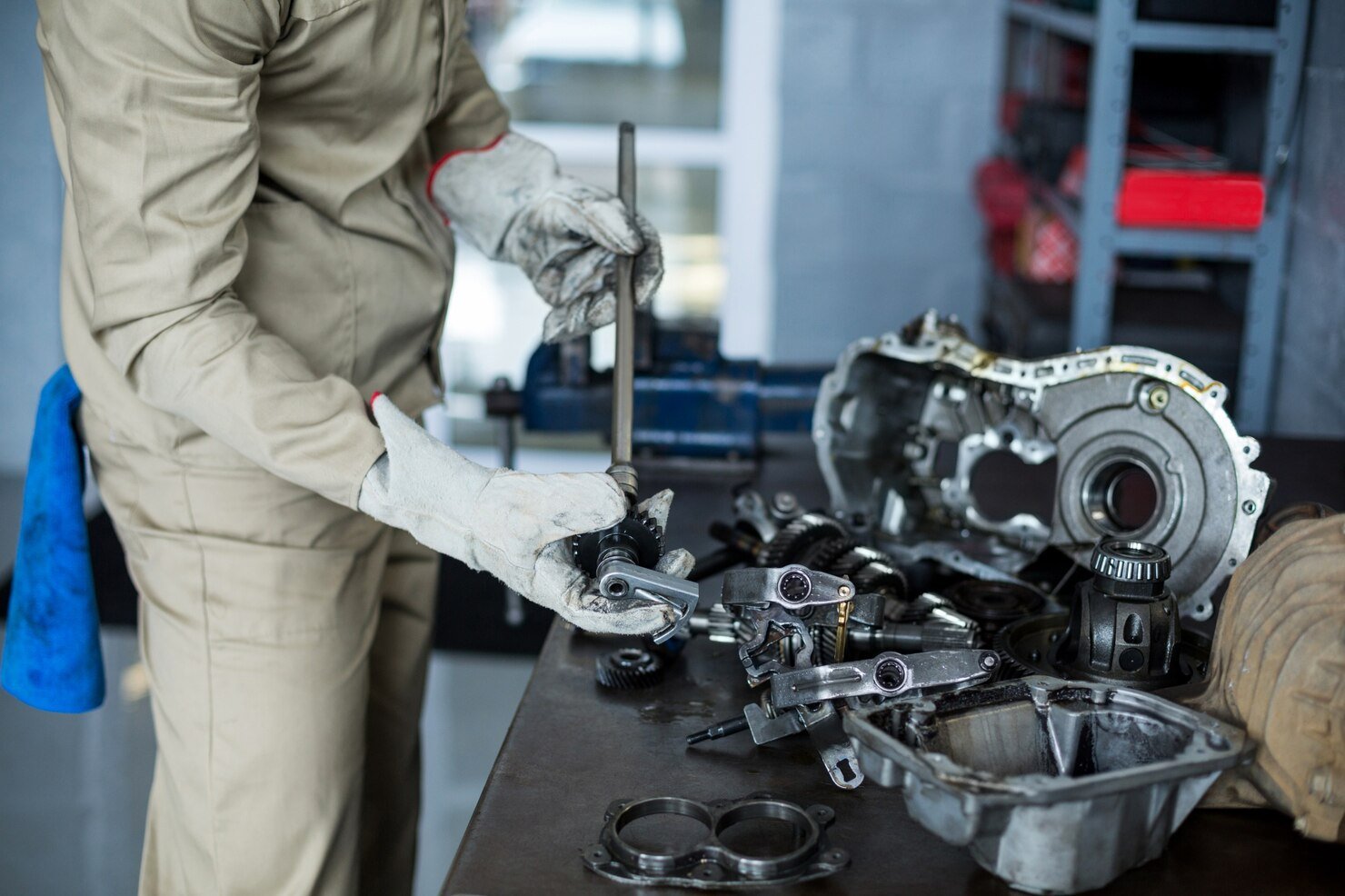
Automotive Components

Brackets, housings, structural parts
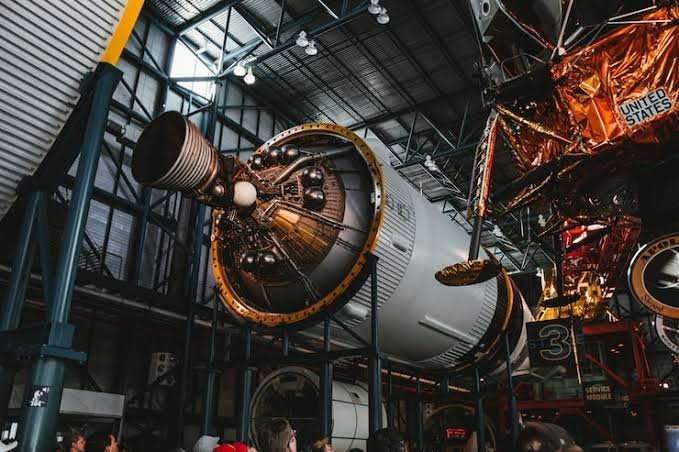
Aerospace

Hydraulic Components

Valve housings and fluid power components
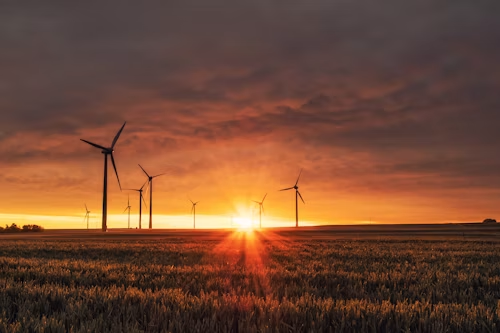
power and energy

Housings & Covers

Parts requiring high dimensional accuracy
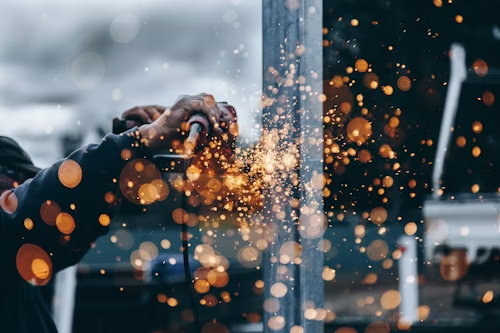
General Engineering

Components under load or with repeat demand
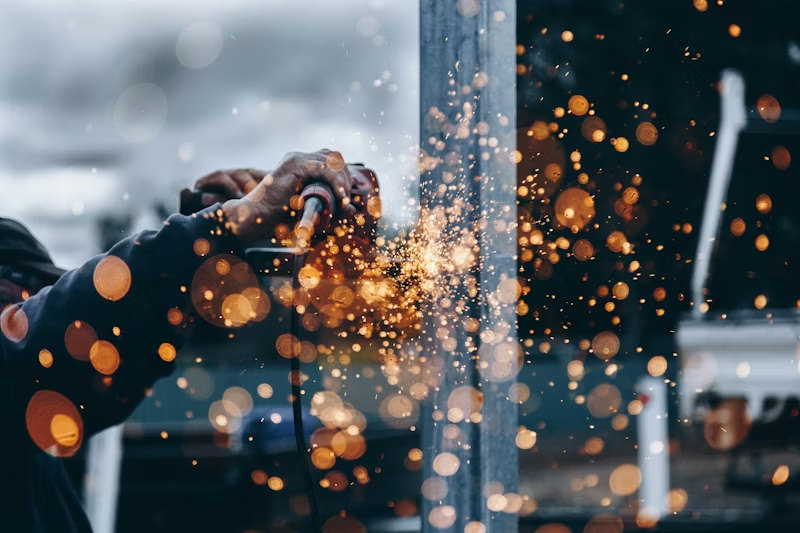
What You Gain with Gravity Die Casting

A reusable metal mould brings more control than sand casting, without the tooling cost of pressure die casting.

Benefit What It Means for You Why It Matters
Better accuracy than sand A reusable metal mould gives the same shape every pour Less machining allowance and fewer surprises on your line
Cleaner surface finish Smoother castings straight from the mould Saves time on cleaning and finishing
Stronger, denser parts Metal cools faster in a metal mould, so the grain is finer Better strength for parts that work under load
Handles thicker sections Solid, chunky geometries cast well Ideal for housings, bodies and structural parts
Lower tooling cost Metal moulds cost less than pressure die casting tools A sensible choice for medium volumes
Part-to-part consistency Pour after pour, dimensions stay steady Smooth, predictable supply for your assembly
Reusable moulds One mould serves thousands of castings Lower cost per part than one-time sand moulds

Our Process

1

Die Design

Built around your exact part geometry and expected production volume.

2

Preheating

The die is brought to the right temperature before every pour.

3

Pouring & Cooling

Metal is poured and allowed to solidify under controlled conditions.

4

Ejection & Finishing

Parts are removed, trimmed, and inspected before dispatch.

5

Quality Inspection

Every batch is inspected for dimensions and defects.

6

Dispatch

Approved parts are packed securely and shipped on time.

Checked at Every Step, Signed Off Before Dispatch

We would rather find a problem in our own shop than have you find it on your machining line.

20+ Years

Industry Experience

5000+ Tons

Annual Production Capacity

CNC Machining

Advanced Facilities

ISO 9001:2015

Quality Certified

Global & Pan-India

Supply

Why Choose Us

img

ISO

Certified

Industries We Serve

Trusted by leading companies across multiple industries.
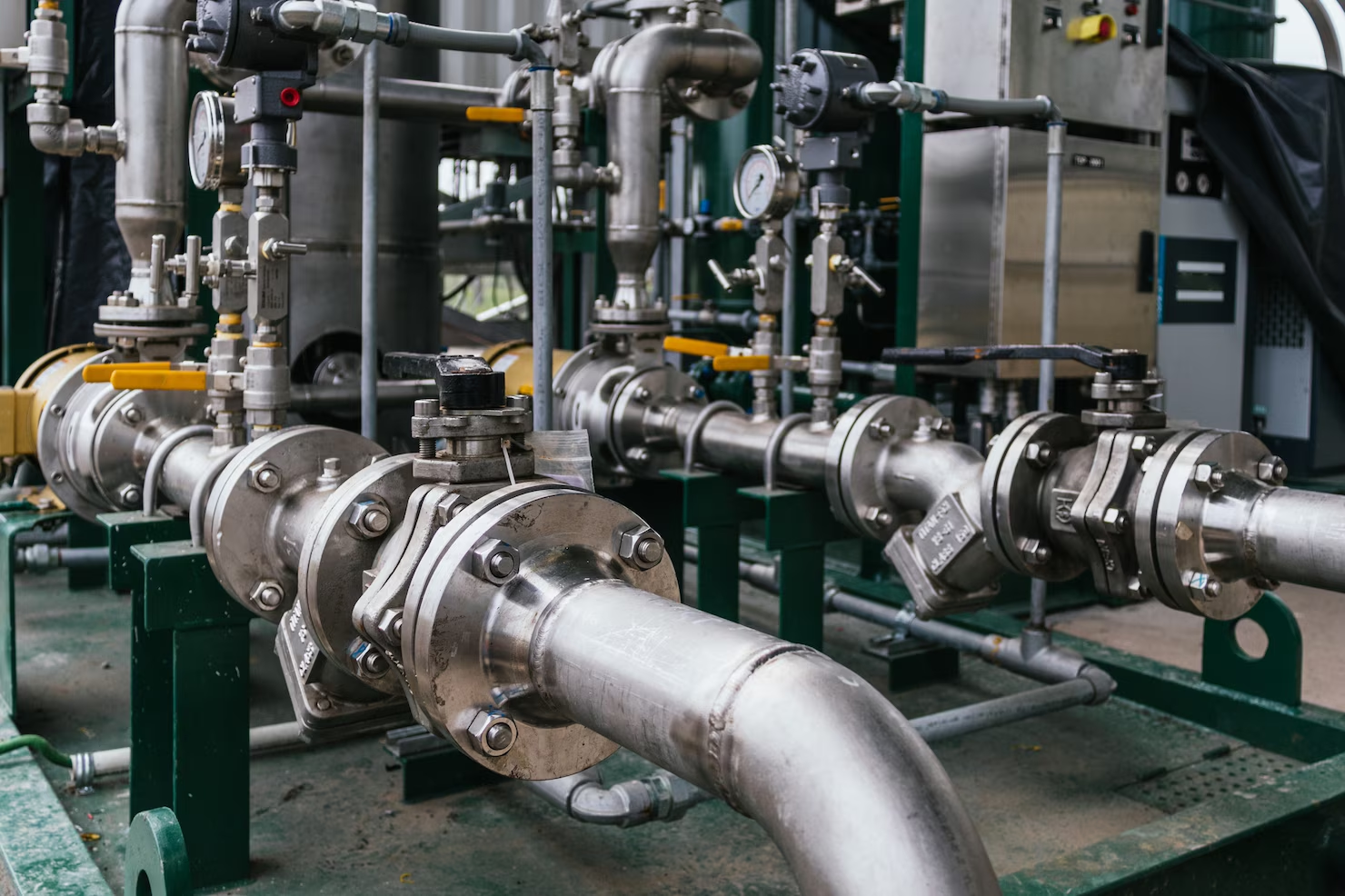
Pumps & Valves
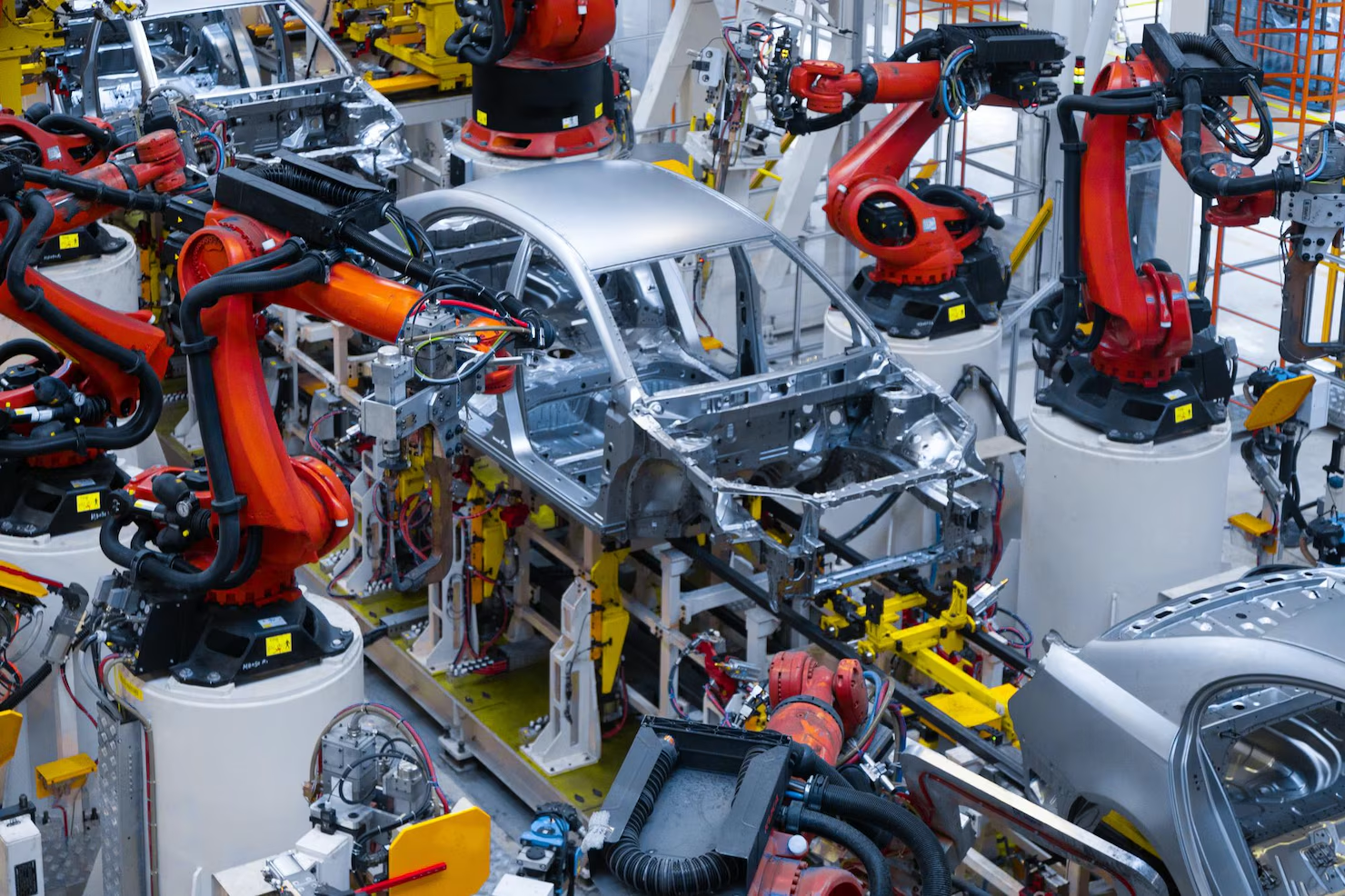
Automotive
Aerospace

power and energy

Power & Energy

Heavy Engineering

Our Clients

CLIENT TESTIMONIALS

What Our Clients Are Saying

“
★★★★★

Beautiful plant, clean vision of the future. Looking forward to continuing our business and success together.

B
Bewove
Husco
“
★★★★★

Excellent facility, very good infrastructure, farsighted planning, and a people-focused organisation. Wishing Mahati all the best.

V
V. Ganeshan
Caterpillar
“
★★★★★

Reliable on-time delivery and consistent quality on every batch. Their pattern-making precision has made our foundry process far smoother.

R
Ravi Kumar
HAL Limited

Frequently Asked Questions

What is gravity die casting process?

Molten metal is poured by gravity into a reusable metal mould, producing parts with better mechanical properties than sand casting.

This process pours metal for medium volumes and thicker sections. Pressure die casting injects metal at high pressure for high volumes and thin walls.

Aluminium alloys are the most common, chosen for their strength-to-weight ratio and dimensional stability.

Better dimensional accuracy, stronger mechanical properties, a smoother surface finish, and reusable tooling compared to sand casting.

It depends on part size, complexity, and expected production volume. Share your drawing with us for a firm quote.

It varies by part, but this process is generally best suited to medium-to-high volume programs rather than one-off prototypes.

Automotive and hydraulic component manufacturers are the biggest users, alongside general engineering applications.

It is typically smoother and more consistent than sand casting, which often reduces the amount of secondary finishing needed.

Got a Part in Mind? Let's Price It Properly.

Send us your drawing and requirements. We'll review it and come back with a clear quote, tooling included.

Prefer to talk? Call us at 7411677787

Your drawings stay confidential. We'll respond within [1 working day – edit as per your real timing].