MAHATI

#01, 4th Cross, Peenya 2nd Stage, Bengaluru-560091
Mon–Sat  9:00 AM - 6:00 PM
7411677787
mohanc.leo@gmail.com

Precision Pattern Making Services in Bengaluru

Accurate patterns. Reliable castings. On-time delivery, every time.

What Is Precision Pattern Making?

A pattern is the master shape used to form the mould cavity in a casting. Before a single component is poured, the pattern decides how accurate, how strong, and how repeatable that component will be. At Mahatime Catronics, our precision pattern making services cover wood, aluminium, gun metal and CNC-machined tooling, built for sand, shell and investment casting.We work with OEM design teams, foundry sourcing managers and small-batch job shops who need a pattern partner that gets the dimensions right the first time. Whether you need a one-off prototype pattern or a production-grade metal pattern for thousands of cycles, our team plans the material, the process and the tolerance around your casting run, not the other way round.
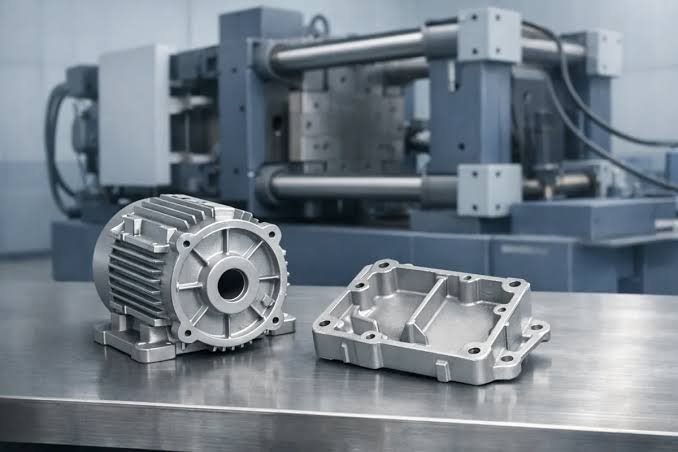
High pressure die casting
Why Choose Us

Why Choose Mahatimecatronics

Foundries and OEMs pick us because our precision pattern making services are built around consistency, not guesswork.
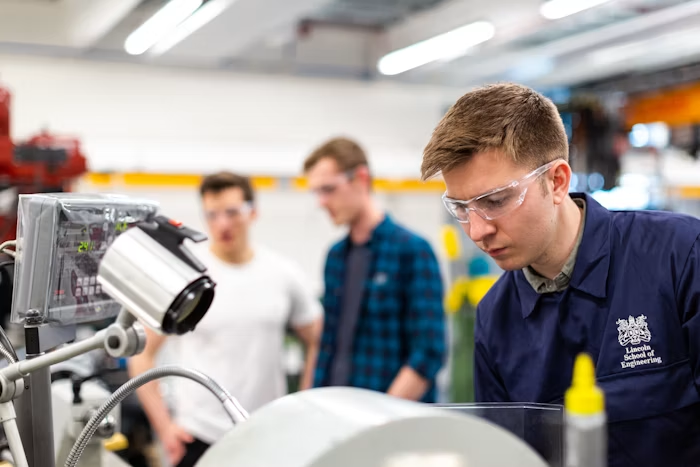
In-house capability

design, machining and finishing under one roof, so nothing is lost in handoffs between vendors.

Tolerance and precision

patterns built to the accuracy your casting process actually needs, checked before dispatch.

Turnaround time

realistic timelines quoted upfront, and held to.

Material range

teak wood, aluminium, gun metal/cast iron and thermocol (EPS), matched to your production volume.

Quality certifications

an ISO-driven process with documented checks at every stage.

Capacity

from single prototype patterns to high-repetition tooling for long production runs.

img
How We Work

Our Process

1

Drawing & Spec Review

We study your component drawing, casting method and expected batch size.

2

Material Recommendation

Wood, aluminium, gun metal or CNC-machined, based on volume and tolerance.

3

Pattern Design

Shrinkage allowance, draft angles and core prints are worked out before any cutting begins.

4

Manufacturing

Hand-crafted or CNC-machined, depending on the material and geometry.

5

Inspection

Dimensional checks against the drawing before the pattern leaves our floor.

6

Dispatch & Support

Delivery with documentation, plus support if the pattern ever needs repair or rework.

Materials & Capability

Different jobs call for different pattern materials. Here’s a quick guide to help you choose:

Material Best For Typical Lifespan Relative Cost
Teak Wood Low-volume, prototype & one-off patterns Short–Medium Low
Aluminium Medium–high volume production patterns Long Medium
Gun Metal / Cast Iron High-wear, high-repetition tooling Very Long Medium–High
Thermocol / EPS Lost Foam Casting (LFC) consumable patterns Single-use Low
Sectors We Serve

Industries We Serve

We work with customers across automotive, hydraulics, pumps and valves, and general engineering. Whether you need a custom sand casting manufacturer for automotive components or a foundry partner for pump parts like volute casings, we can take your project from drawing to dispatch.

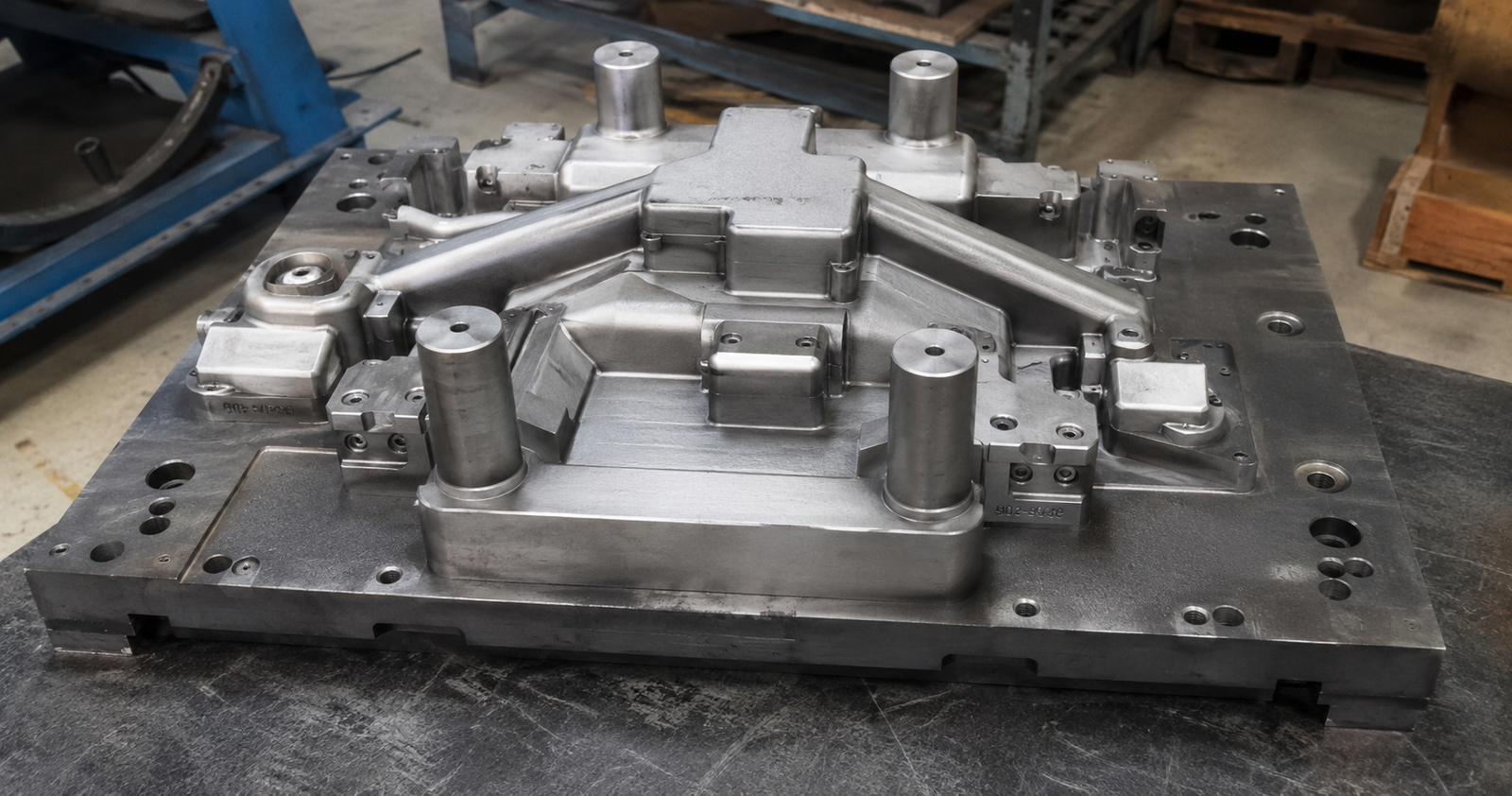
Core box for a core shooter machine being inspected before dispatch at a Bangalore pattern making facility

Pumps & Valves

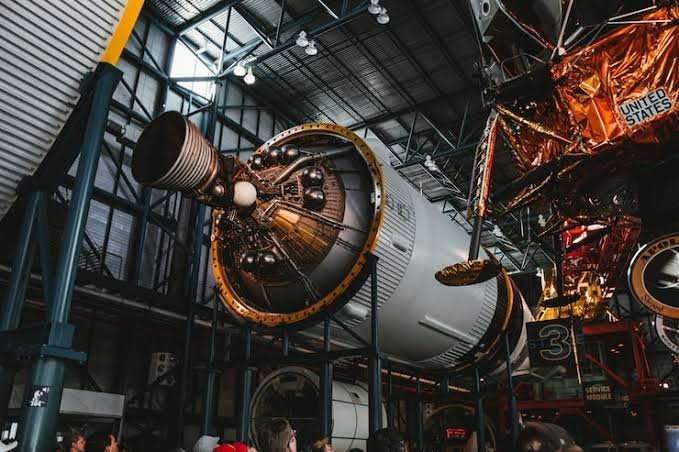
Aerospace

Aerospace

power and energy

Power & Energy

Heavy Engineering

ACCREDITATIONS

Quality & Certifications

Our precision pattern making services follow a documented, ISO-driven quality process. Every pattern is checked against the original drawing before it leaves our facility, and material test certificates are available on request.

Our Clients

CLIENT TESTIMONIALS

What Our Clients Are Saying

★★★★★

Beautiful plant, clean vision of the future. Looking forward to continuing our business and success together.

B
Bewove
Husco
★★★★★

Excellent facility, very good infrastructure, farsighted planning, and a people-focused organisation. Wishing Mahati all the best.

V
V. Ganeshan
Caterpillar
★★★★★

Reliable on-time delivery and consistent quality on every batch. Their pattern-making precision has made our foundry process far smoother.

R
Ravi Kumar
HAL Limited

Frequently Asked Questions

What is pattern making in casting?

Pattern making is the process of creating a replica of the component you want to cast. This replica, called a pattern, is used to form the cavity in the sand or mould where molten metal is poured. Get the pattern right, and the casting comes out right too.

The main materials are wood, aluminium, gun metal or cast iron, and thermocol (EPS). Wood suits prototypes and short runs, aluminium suits production volumes, gun metal and cast iron suit high-repetition tooling, and thermocol is used for single-use Lost Foam Casting patterns.

Pattern making cost depends on the size of the component, the material chosen, the complexity of the shape, and how many times the pattern will be used. Rather than a flat rate, most suppliers quote based on these factors together — get in touch with your drawing for an accurate estimate.

Wooden patterns are quicker and cheaper to make, which makes them ideal for prototypes and short production runs. Aluminium patterns cost more upfront but last far longer and hold tighter tolerances, so they pay off on medium to high-volume jobs. See the comparison table above for a full breakdown.

Turnaround depends on the complexity of the part and the material selected — simple wooden patterns are usually the fastest, while CNC-machined or gun metal patterns for complex geometries take longer.

A match plate pattern mounts the cope and drag halves of a pattern on opposite sides of a single plate, which speeds up moulding on automated lines. We recommend it for higher-volume jobs where consistent, fast moulding matters.

Yes. If your original pattern is lost, worn out or damaged, our team can reverse-engineer it from a sample component or an old drawing, then repair or rebuild it to match your current casting requirements.

For high-volume runs, aluminium and gun metal/cast iron patterns are usually the best choice, since they hold their shape and dimensions over many repeated uses. See the comparison table above for how they stack up against wooden patterns.