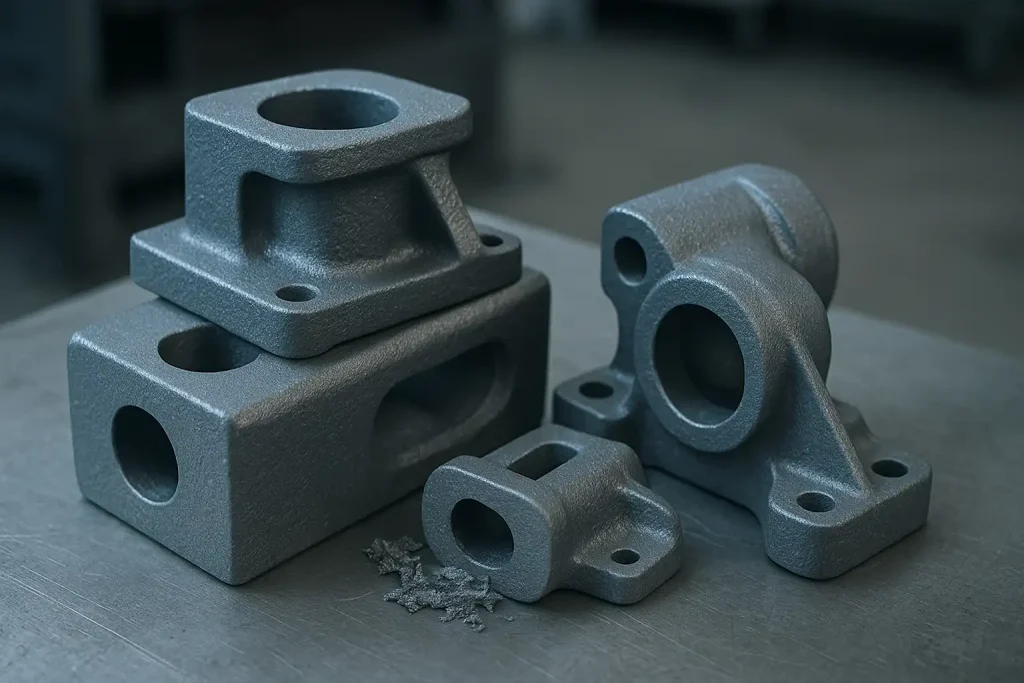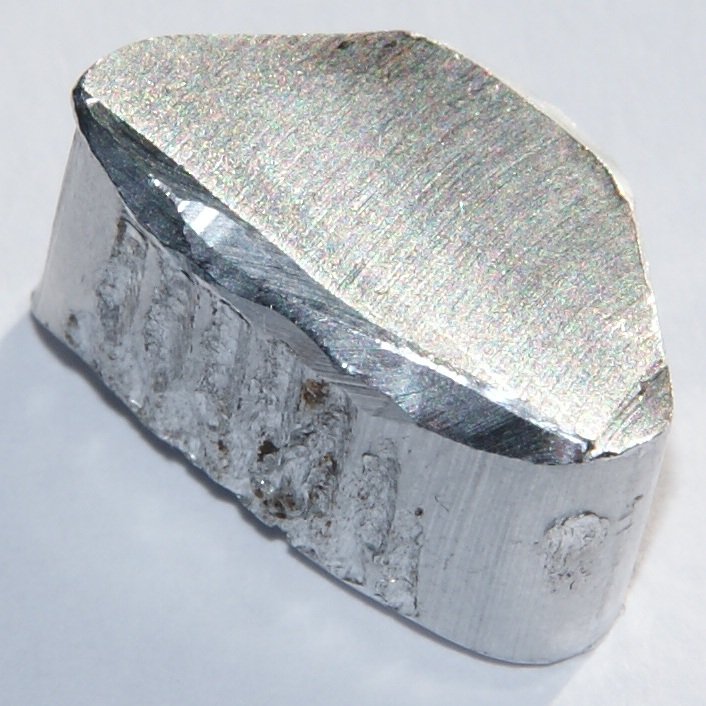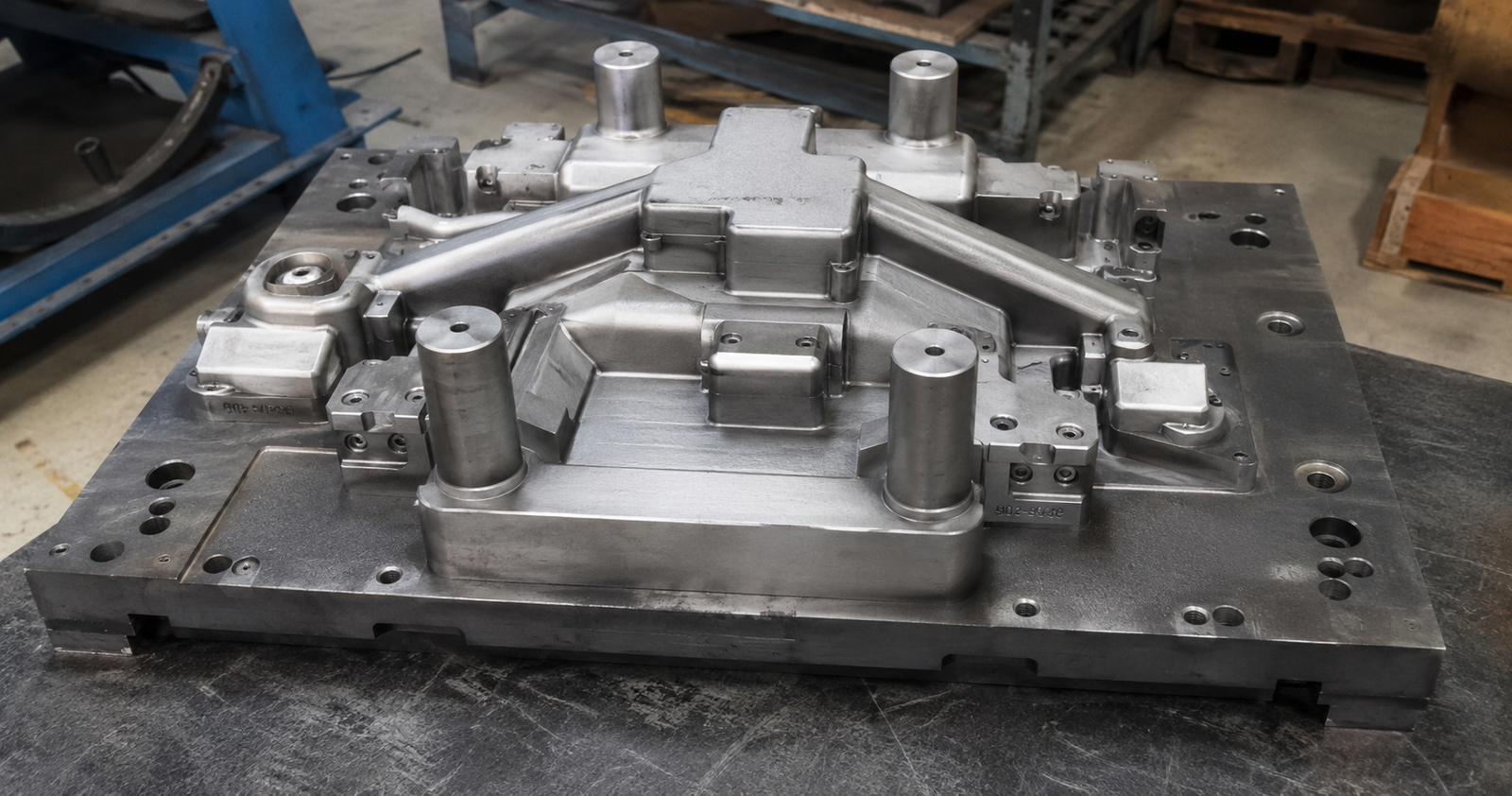
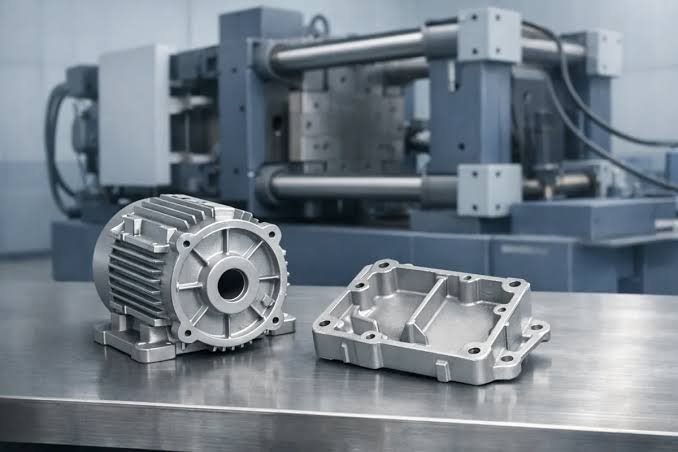
We produce complex, high-precision metal parts with excellent surface finish in Steel, Iron, Aluminium and Brass, including aerospace-grade MGB Housing components used in helicopters.
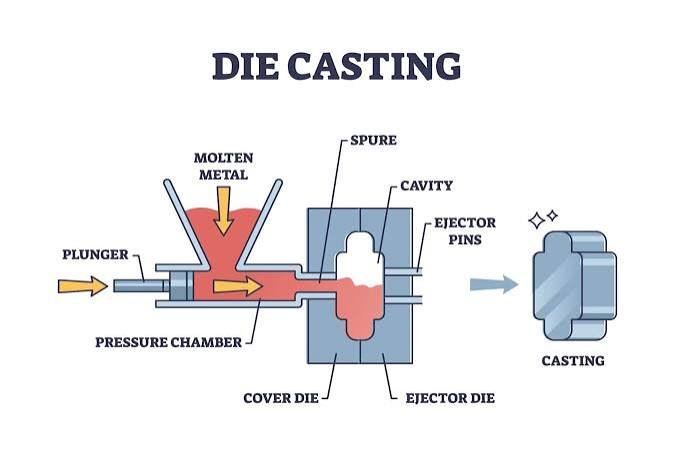
Also known as lost wax casting, it works by coating a wax pattern in a ceramic shell, melting the wax out, and pouring molten metal into the cavity left behind. The result is a part with a much finer surface finish and tighter tolerances than sand or gravity die casting can typically achieve, which is exactly why investment casting is chosen for complex, high-precision components.
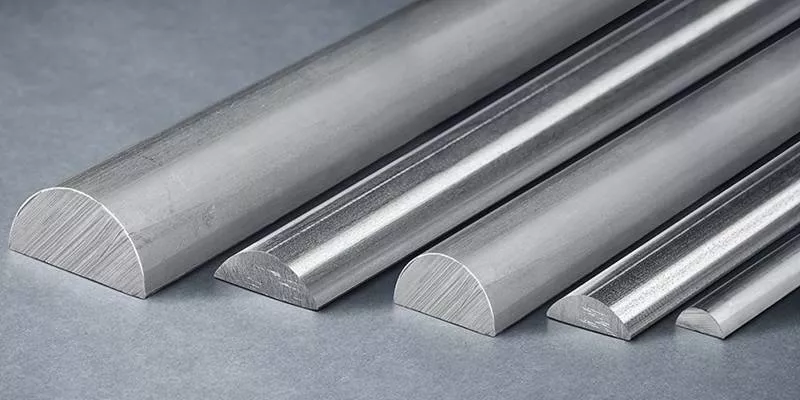
We cast in Steel, Iron, Aluminium, and Brass, each chosen to match your part’s strength, weight, and environment.
Durable & wear-resistant for defence & industrial applications
Lightweight with excellent strength-to- weight ratio.
Corrosion-resistant and ideal for precision components.
When a part is complex, thin-walled or needs a fine finish, the lost wax process does the heavy lifting.
| Benefit | What It Means for You | Why It Matters |
|---|---|---|
| Tight tolerances | Parts come out very close to the drawing | Less machining and fewer rejected pieces |
| Excellent surface finish | A smooth surface straight from the shell | Little or no extra finishing on most features |
| Complex, detailed shapes | Thin sections, fine details and internal features | Designs that are hard or impossible with sand casting |
| Near-net-shape parts | Casting is already close to the final form | Saves material, machining time and cost |
| Design freedom | Fewer limits on undercuts and contours | Combine several parts into one casting |
| Wide metal choice | Steel, iron, aluminium and brass | Pick the metal for strength, weight or corrosion needs |
| Repeatable quality | Each wax pattern and shell follows the same process | Consistent parts from batch to batch |
Built to match your part's exact geometry.
Layered around the wax pattern for strength.
The shell is hardened, ready for pouring.
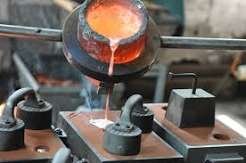
Molten metal fills the cavity left behind.
The ceramic is broken away and the part is cleaned and inspected.
Every batch is inspected for dimensions and defects.
Approved parts are packed securely and shipped on time.
Investment castings are often used where there is no room for error, so every stage is checked and documented.
Industry Experience
Annual Production Capacity
Advanced Facilities
Quality Certified
Supply
We work with customers across automotive, hydraulics, pumps and valves, and general engineering. Whether you need a custom sand casting manufacturer for automotive components or a foundry partner for pump parts like volute casings, we can take your project from drawing to dispatch.


Certified


Beautiful plant, clean vision of the future. Looking forward to continuing our business and success together.
Excellent facility, very good infrastructure, farsighted planning, and a people-focused organisation. Wishing Mahati all the best.
Reliable on-time delivery and consistent quality on every batch. Their pattern-making precision has made our foundry process far smoother.
Also called lost wax casting: a wax pattern is coated in a ceramic shell, the wax is melted out, and molten metal is poured into the resulting cavity for a highly precise, fine-finish part.
It is used for complex, high-precision components that need an excellent surface finish, including aerospace, defence, and industrial valve parts.
This process achieves tighter tolerances and a much finer surface finish, suited to complex geometries. Sand casting suits larger, simpler parts at a lower cost.
Aerospace, defence, automotive, and general precision engineering all rely on it for complex, high-precision parts.
It produces one of the smoothest as-cast surface finishes of any casting process, often reducing or removing the need for secondary finishing.
It can hold tighter dimensional tolerances than sand or gravity die casting, making it ideal for complex, close-tolerance components.
Steel, iron, aluminium, and brass are all commonly investment cast, chosen based on strength, weight, and the application's needs.
MGB stands for Main Gear Box, the housing supports the helicopter's main rotor gearbox and demands aerospace-grade precision casting.
Share your drawing and requirements. We'll review feasibility and come back with a clear quote.
Not sure if investment casting fits? Talk to our experts on 7411677787
Your drawings stay confidential. We'll respond within [1 working day – edit as per your real timing].